
Learn more about the NEW YORK LEAGUE OF CONSERVATION VOTERS
EVALUATE
We evaluate the performance of elected officialsENDORSE
We endorse candidates who care about the environmentELECT
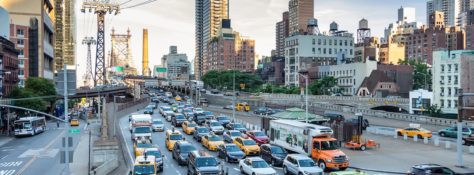
We campaign for the passage of laws and candidatesOn September 9, the New York City Council’s Housing Committee will hold a hearing to consider Intro 1015, a bill that would extend the J-51 tax abatement program to 2036. NYLCV highlights the necessity of this program and its extension, which will make the program available for even more housing units and help ensure New Yorkers can afford their homes and benefit from the energy upgrades they deserve.
Learn MoreIn New York, where rainstorms are frequent and some parts of the state receive multiple feet of snow each winter, water scarcity can seem more like a distant concern. But abundant precipitation does not make New York immune to droughts. The state has historically experienced drought conditions every two to three years, affecting drinking-water supplies, agriculture, ecosystems, recreation, and communities that depend on private wells.
Learn More“Textiles are the next frontier for [waste] diversion and reuse,” said Joshua Goodman, spokesman for the New York City Department of Sanitation (DSNY), in a 2025 New York Times article. “Historically, [the] capacity to do anything with textiles has been limited, but that is changing.”
This is good news for New Yorkers, who are increasingly looking for ways to recycle their old clothes, bedding, and other textiles. In PromoLeaf’s study of 151 cities, New York ranked #1 in those most actively googling for ways to recycle clothing, with 10,440 related monthly searches – nearly double that of second place Los Angeles.
Learn MoreAs the federal government continues to retreat from climate action, it is more important than ever that states work together to reduce air pollution, lower emissions, and address the climate crisis. A standout example of just this sort of collaboration has been taking shape across the Northeast and Mid-Atlantic over the past two decades in the form of the Regional Greenhouse Gas Initiative (RGGI), a program that aims to achieve affordable and effective CO2 emissions reduction through 2037.
Learn More